


Completed
The Spire
about this project
Renewing the Spire
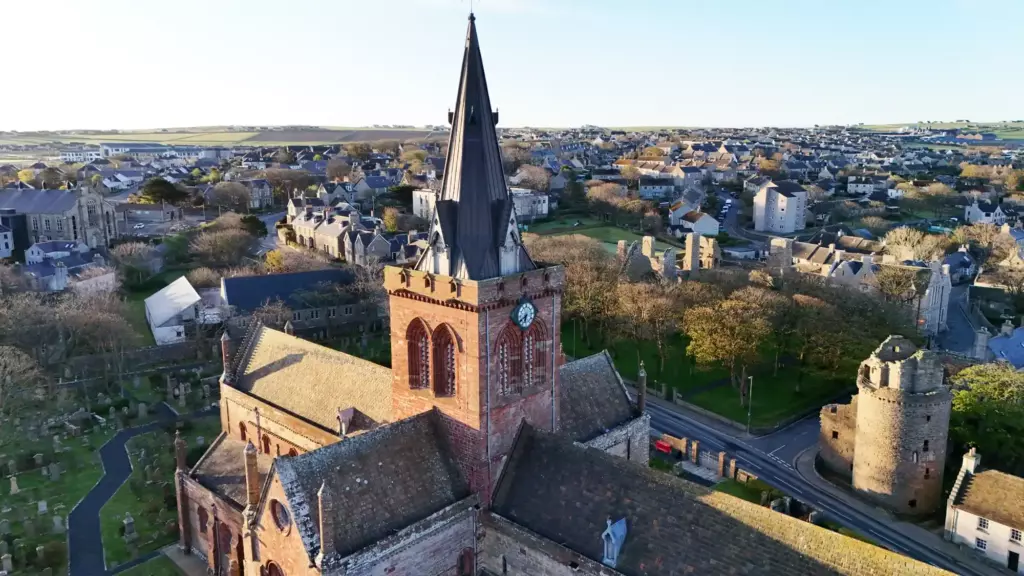
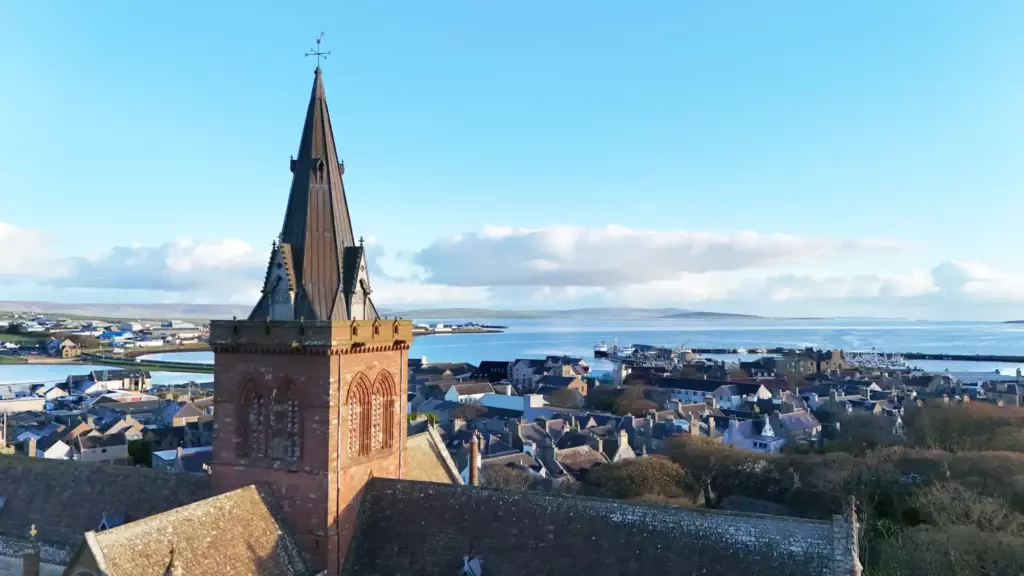
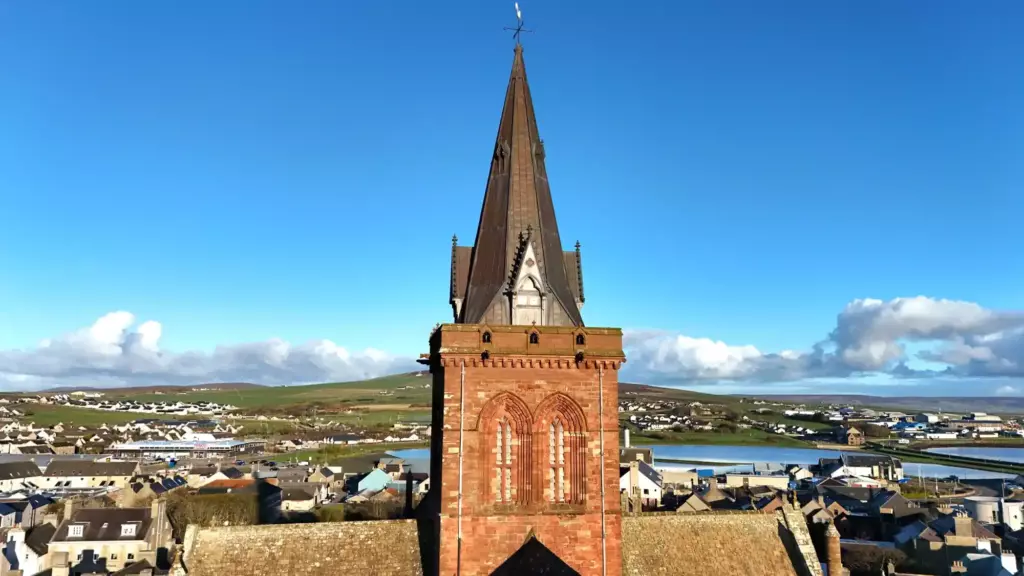
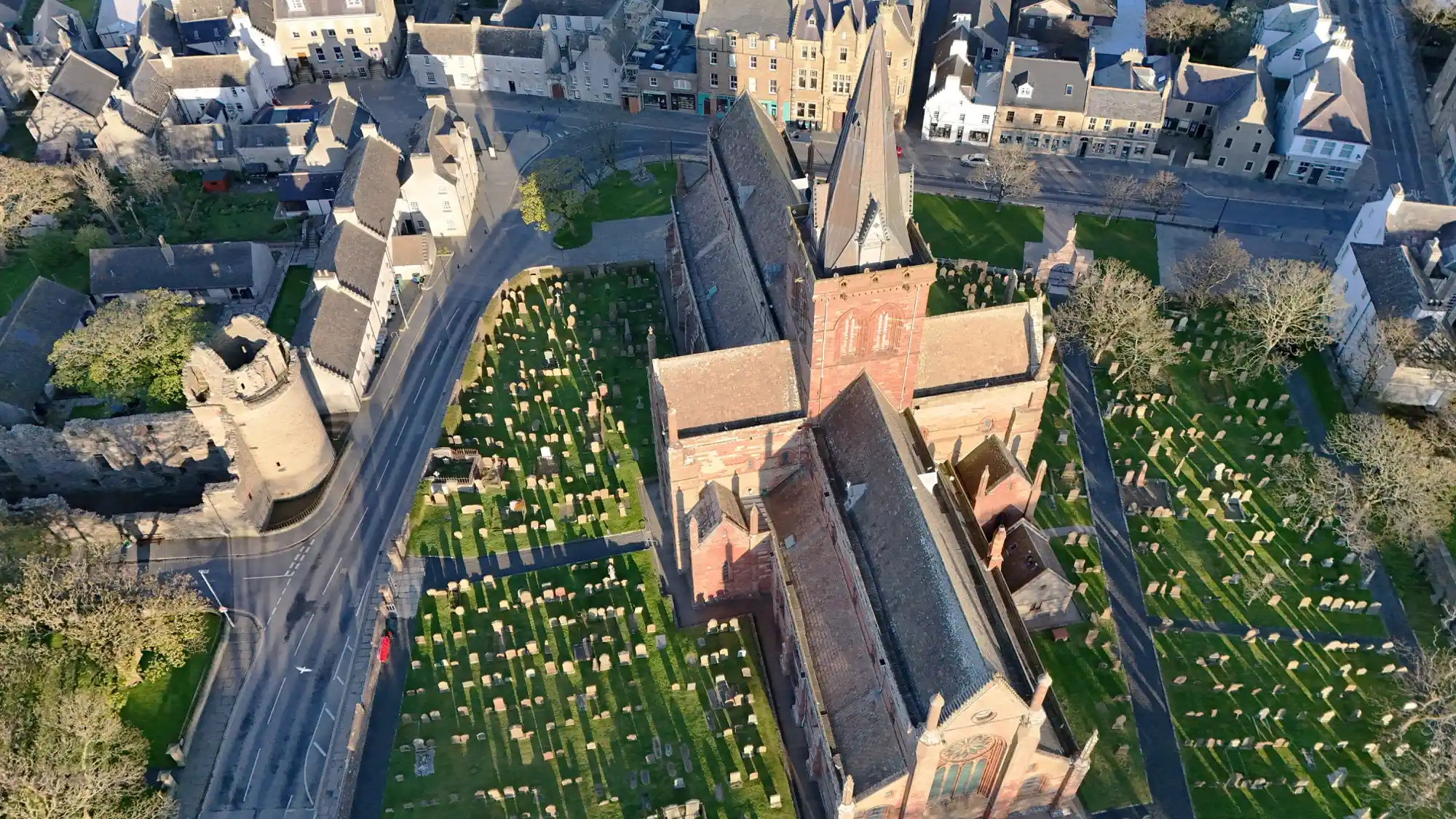
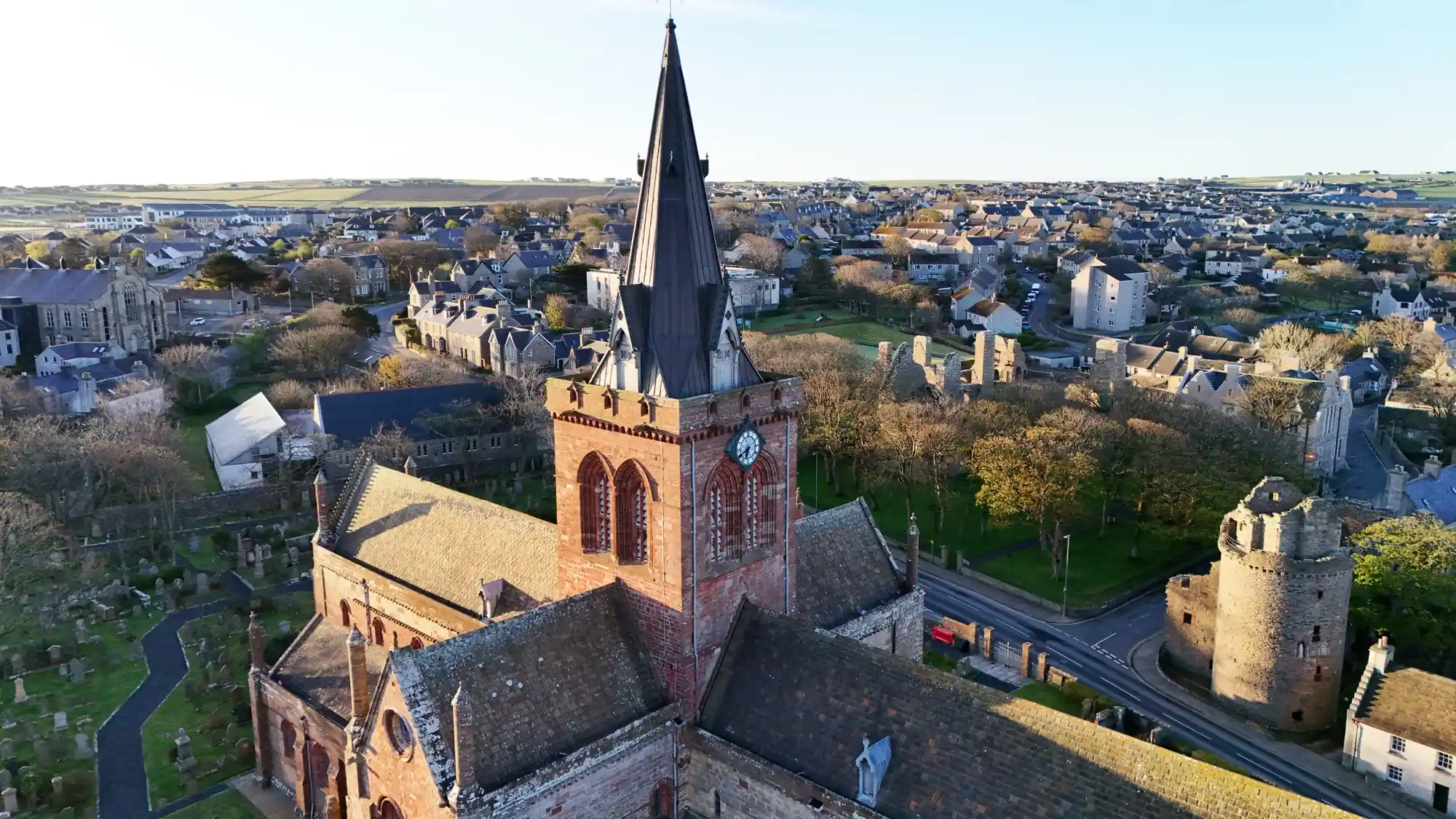
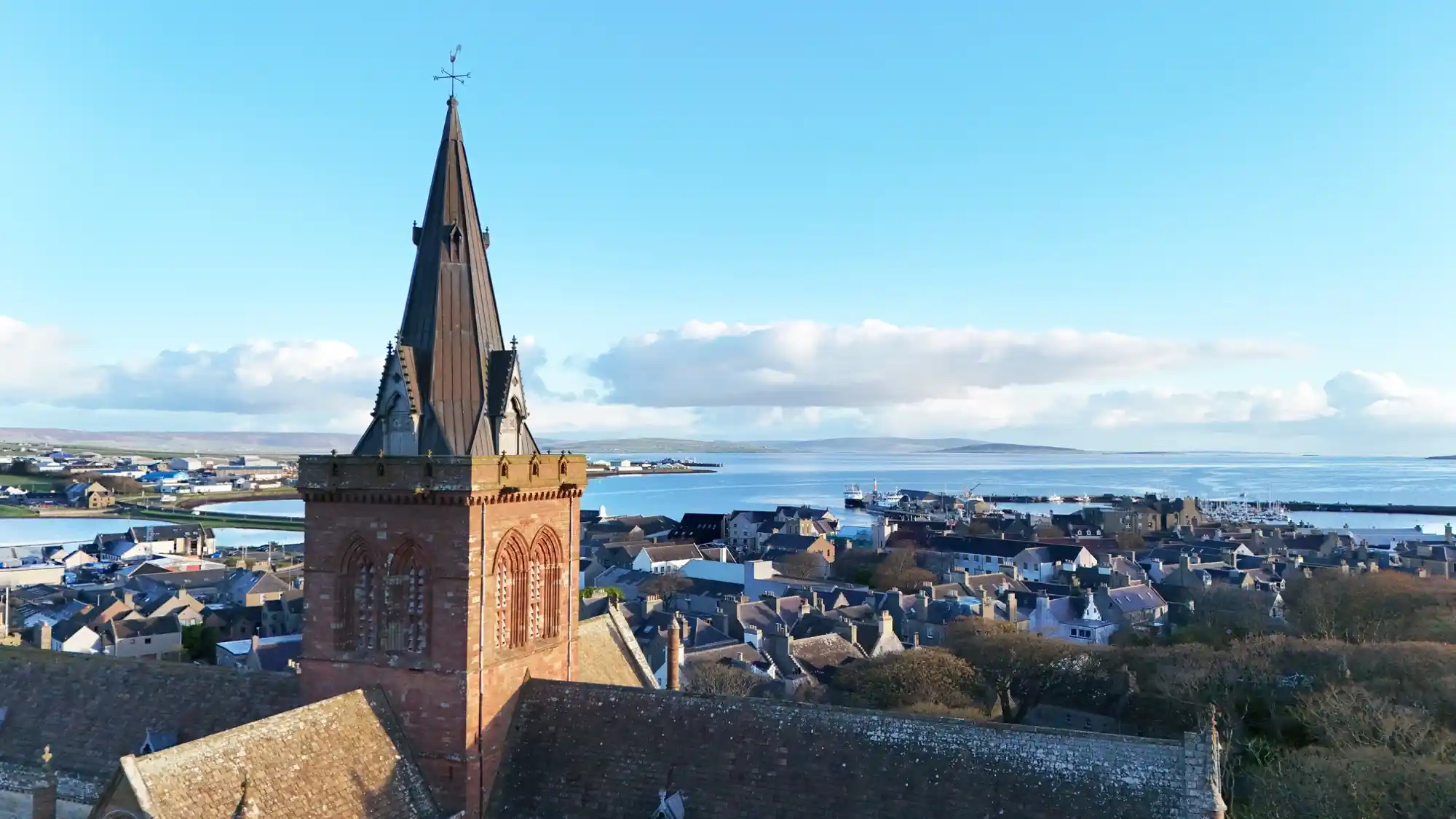
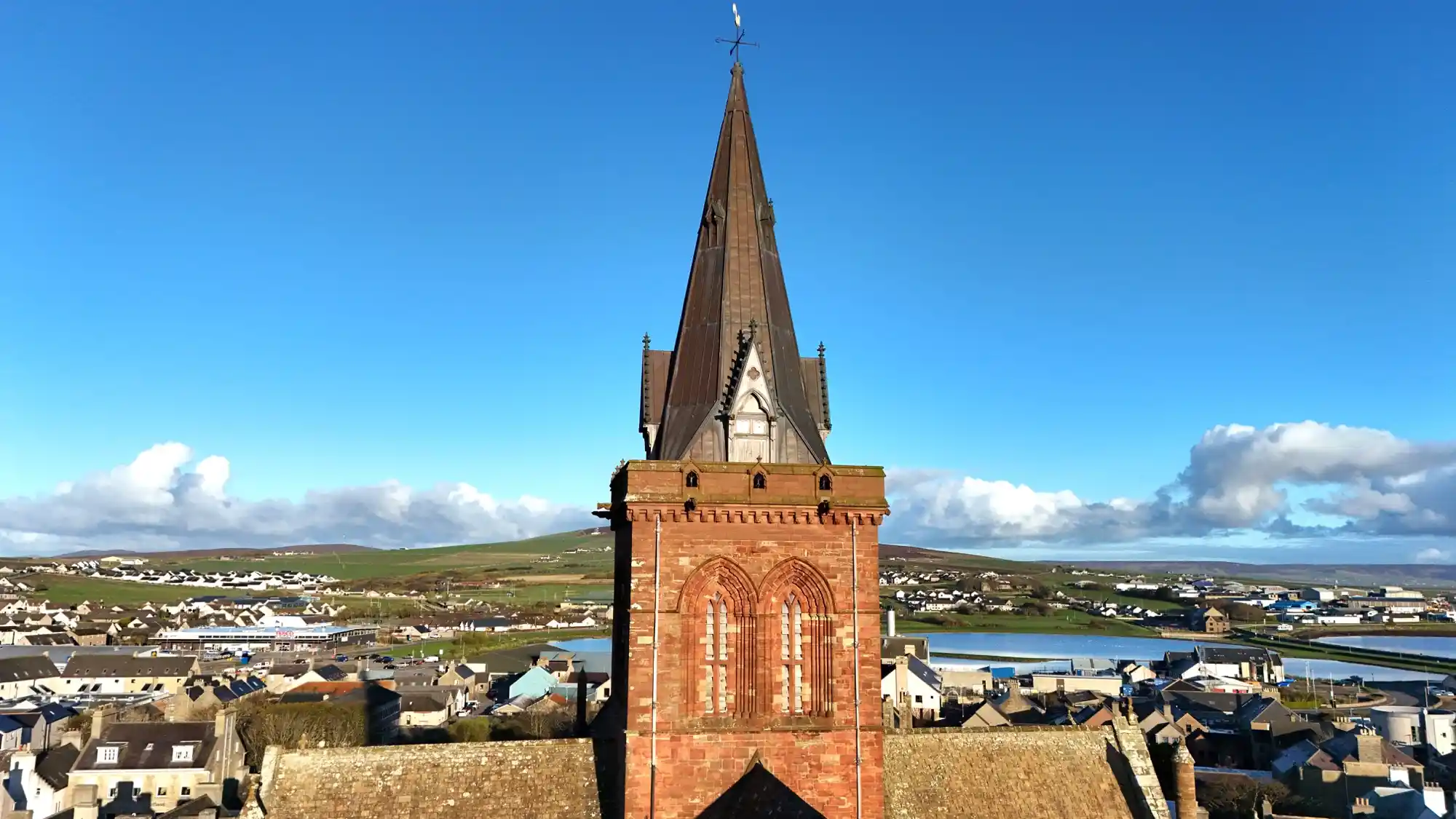
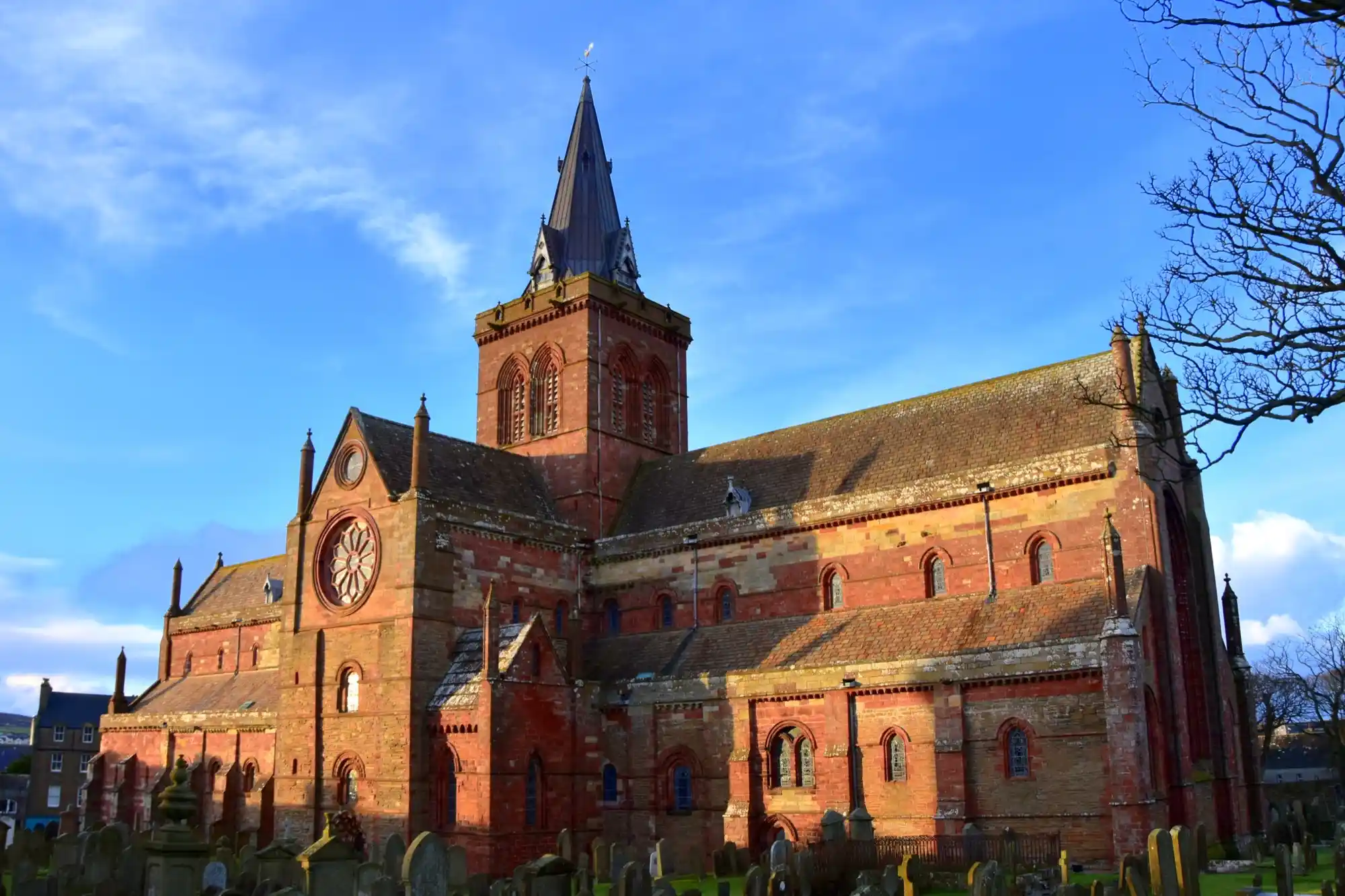
The copper spire is the cathedral’s most distant signal, visible long before the building itself. It is a twentieth-century addition, and keeping it watertight has been one of the Friends’ recurring commitments.
The cathedral has not always carried the spire it has today. The original was lost after the tower was struck by lightning in 1671, an event that also brought down the largest of the four bells cast in Edinburgh in 1528, three of them gifted by Bishop Maxwell. The bell was recast in 1682. For more than two centuries afterwards the tower wore a low pyramidal roof.

The present octagonal copper-covered spire was erected in 1916, as part of the great restoration programme of 1913 to 1930 funded by the Thoms Bequest. It is attributed to George Mackie Watson, the architect who also designed the oak furnishings and the organ screen. The change restored to the cathedral something close to its pre-1671 silhouette.
Copper does not last forever. By 1990 the cladding was failing, with design faults causing severe leaking into the roof below, and an appeal was launched to put it right. The Chair of the Friends at the time, Col Sir Robert Macrae, told the press that the urgent recladding would exhaust the islands council’s annual repair and maintenance allowance, and that the wider need was for around £300,000, for the spire and for other work besides.
He believed the response would come, as it had before. “We had a magnificent response to that appeal," he said of the campaign to save the west end, “which gave us the money to save St Magnus."
The recladding was carried out in the early 1990s and completed in 1994. The work ran well over the estimates, because of difficulties that could not be foreseen until the spire was opened up, and in 1995 the Society paid Orkney Islands Council £280,587 towards the renewal of the spire.
Fundraising


Help Protect St Magnus for Future Generations
Your membership directly funds the care and conservation of this remarkable cathedral.